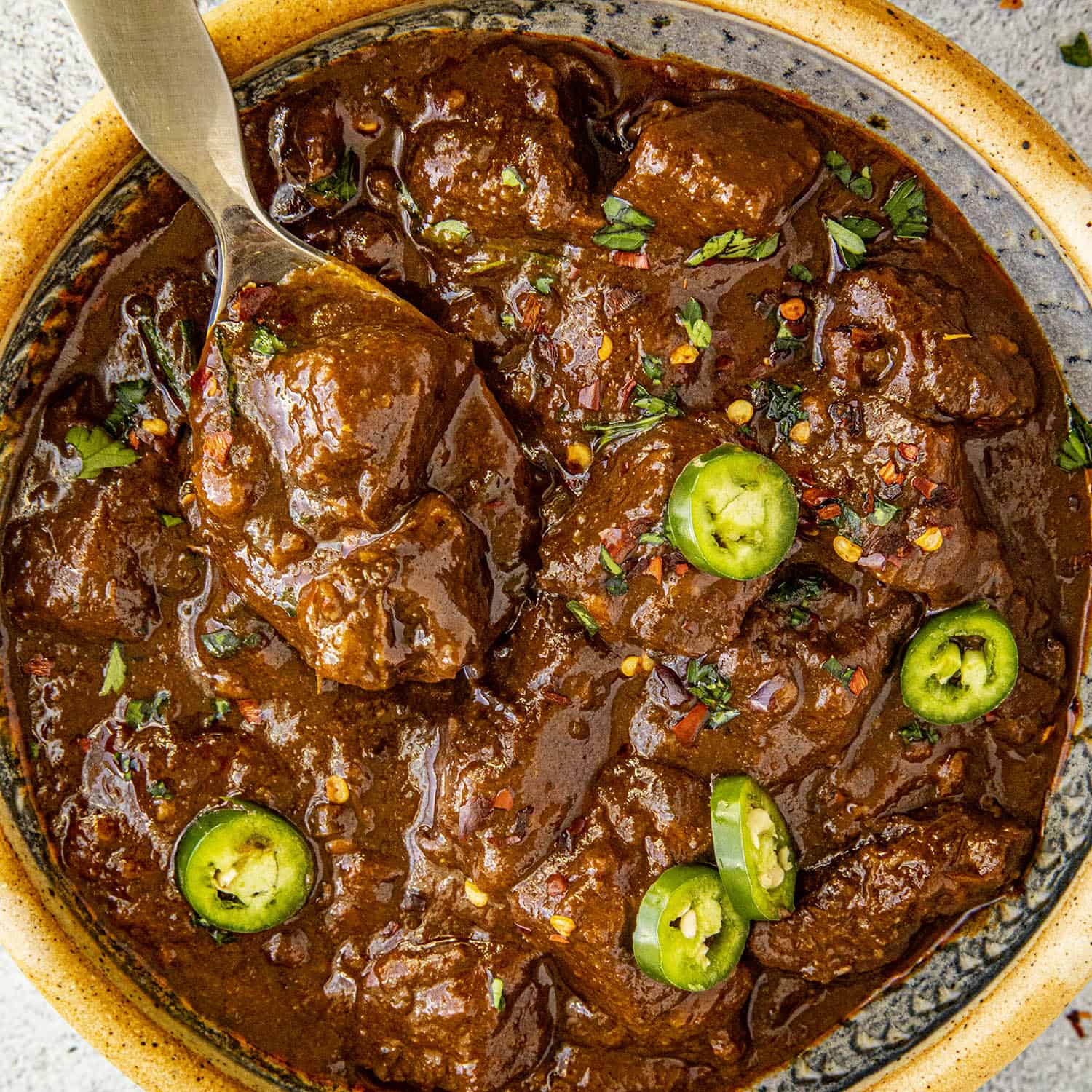
Authentic Texas Chili: The No-Bean, No-Tomato Classic
When you hear the word "chili," your mind might conjure images of a hearty stew brimming with ground beef, beans, and diced tomatoes. But for Texans, the definition is vastly different, and fiercely defended. Welcome to the world of authentic texas chili recipe – often known as Texas Red or simply "Bowl o' Red" – a culinary masterpiece that strips away the common fillers to focus on the pure, unadulterated essence of slow-cooked beef and a rich, complex chili pepper sauce. This isn't just a dish; it's a tradition, a statement, and a deeply satisfying experience.
Unlike its more inclusive counterparts, this Lone Star classic stands proudly without a single bean or tomato in sight. Instead, it’s a symphony of tender, fall-apart beef chunks, lovingly braised for hours in a smoky, bold sauce crafted from an array of dried chiles. It's a testament to restraint and patience, allowing the true stars of the show to shine through with unparalleled depth and flavor. If you're ready to experience chili as it was truly meant to be in Texas, prepare for an unforgettable journey into the heart of Southwestern cuisine.
Deconstructing the Classic: What Makes a True Texas Chili "Red"?
The identity of Mastering Texas Red Chili: Bold Flavors, No Beans Allowed is built upon a few non-negotiable principles that have been honed over centuries. These aren't just preferences; they are the very DNA of this iconic dish, distinguishing it from all other chili varieties:
- No Beans. Period. This is perhaps the most famous, and sometimes controversial, rule. For purists, beans are a side dish, never an ingredient in the chili itself. The tradition dates back to the 1800s in San Antonio, where the legendary "Chili Queens" served their spicy chili con carne—chili with meat—alongside tortillas and frijoles (beans), but never mixed in. The philosophy is simple: beans act as a filler, diluting the intense beef and chile flavors that define Texas Red.
- No Tomatoes. Ever. While many chili recipes rely on tomatoes for acidity and bulk, traditional Texas chili shuns them. The vibrant "red" color and deep flavor come solely from the expertly prepared dried chili peppers. Tomatoes, whether paste, sauce, or canned, would introduce an unwelcome sweetness and acidity that would detract from the smoky, earthy notes of the chiles.
- Big Chunks of Beef Reign Supreme. Forget ground beef! The gold standard for an authentic Texas Chili Recipe: Slow-Cooked Beef & Smoky Dried Chiles is well-marbled chuck roast, cut into substantial cubes. These chunks, after hours of slow simmering, transform into incredibly tender, melt-in-your-mouth morsels, providing a textural richness that finely ground meat simply cannot replicate. The beef is the undisputed protagonist of this dish.
- Dried Chili Peppers: The Flavor Backbone. This is where the magic truly happens. Unlike many modern versions that rely on generic chili powder, a genuine Texas chili derives its complex flavor profile from whole, dried chili peppers. These peppers are toasted, rehydrated, and then blended into a rich, aromatic paste that forms the very foundation of the sauce. This method unlocks layers of smoky, fruity, earthy, and subtly spicy notes that are impossible to achieve with pre-ground spices alone.
- Long, Slow Cooking: The Art of Patience. Texas chili is not a quick meal. It demands time – hours of gentle simmering – to allow the tough chuck roast to become fork-tender and for the myriad flavors of the chiles to meld and deepen into a luxurious, velvety sauce. This slow process is essential for creating the harmonious, robust taste that makes this chili so unforgettable.
The Heart of the Matter: Crafting the Signature Chili Pepper Sauce
The soul of an authentic texas chili recipe lies in its sauce, a masterpiece born from carefully selected dried chili peppers. This isn't merely about heat; it's about building a complex flavor profile that ranges from smoky to sweet, earthy to fruity. Each type of dried chile contributes its unique character:
- Ancho Chiles: These are dried poblano peppers, mild in heat with a rich, sweet, and almost raisin-like flavor. They provide a beautiful depth and a dark, brick-red color to the sauce.
- Guajillo Chiles: Offering a moderate heat, guajillos are known for their distinct tangy, fruity notes, reminiscent of green tea and berries. They contribute a brighter, more vibrant red hue.
- Pasilla Chiles: Often called 'chile negro' when dried, pasillas are dark, slender peppers that bring an earthy, slightly smoky, and sometimes chocolatey depth to the mix. They are moderately hot.
- Chipotle Chiles: Smoked and dried jalapeños, chipotles are crucial for adding a distinctive smoky aroma and a pleasant, lingering heat that defines much of the chili's character.
The process begins by lightly toasting these whole dried chiles in a dry pan to awaken their essential oils and enhance their smoky notes. They are then rehydrated in hot water until plump and pliable, making them easy to blend. Once softened, they are deseeded (to control heat) and blended with a bit of their soaking liquid into a smooth, thick paste. This paste is the cornerstone of your chili. For a slight thickening and a subtle hint of corn flavor, a touch of masa harina (finely ground corn dough) is often whisked into the sauce during simmering, creating that coveted velvety texture without resorting to flour or cornstarch.
Beyond the Bowl: Tips for Perfecting Your Texas Chili Recipe
While the core guidelines for Texas chili are firm, every seasoned cook adds their personal touch. Here are some insights and tips to elevate your texas chili recipe from good to legendary:
- Quality Beef is Paramount: Start with a high-quality chuck roast, preferably one with good marbling. Cut it into uniform 1.5-2 inch cubes. Before simmering, always sear your beef in batches until deeply browned on all sides. This crucial step, known as the Maillard reaction, develops incredible savory flavors that form the foundation of your chili's taste. Don't overcrowd the pan, or the meat will steam instead of sear.
- Building the Flavor Base: After searing the beef, use the rendered fat to sauté aromatics like diced onion and garlic until fragrant. This will deglaze the pan, incorporating all those delicious browned bits into your sauce.
- The Art of Seasoning: Beyond the chili paste, don't forget the essential supporting spices. Cumin, Mexican oregano, and a touch of garlic powder and onion powder are common additions that complement the chiles without overpowering them. Salt, of course, is key to bringing all the flavors into balance.
- Patience, Patience, Patience: Resist the urge to rush the cooking process. A true Texas chili needs to simmer for at least 2-3 hours, or even longer, until the beef is incredibly tender and easily pulls apart with a fork. This extended cooking time also allows the chile flavors to deepen, meld, and transform into that rich, velvety sauce.
- The "Better the Next Day" Factor: This isn't just a cliché; it's a scientific fact for many stews and chilis. As the chili cools and rests, the ingredients continue to meld and infuse, resulting in an even more profound and harmonious flavor profile the following day. If possible, make your chili a day ahead.
- Serving It Up: True Texas chili is often served simply, allowing its robust flavor to shine. Traditional garnishes might include a sprinkle of fresh chopped onion, a few slices of fresh jalapeño, or a dollop of sour cream (though purists might omit the latter). Cornbread or warm tortillas make excellent accompaniments for scooping up every last drop of that rich sauce, serving a similar function to how beans were historically offered on the side.
While the "no beans, no tomatoes" rules are foundational to the classic, remember that cooking is an art. If you feel compelled to add a personal twist, go for it! But to experience the truly iconic taste that has captured the hearts of Texans for generations, sticking to the traditional Texas Chili Recipe: Slow-Cooked Beef & Smoky Dried Chiles is highly recommended.
A Taste of Tradition: Why Texas Chili Endures
From lively backyard gatherings to fiercely competitive chili cook-offs across the state, Texas chili is more than just a meal; it's a cultural touchstone. It symbolizes community, heritage, and the rugged, independent spirit of the Lone Star State. Growing up in Texas, chili wasn't just dinner; it signaled the arrival of cooler weather, a reliable Halloween feast before trick-or-treating, or the perfect dish to feed a crowd on a game day. Its ability to evoke a sense of home and comfort, paired with its bold and unforgettable flavor, ensures its cherished place in Texas culinary history.
The authentic texas chili recipe is a masterclass in culinary simplicity, proving that sometimes, less truly is more. By focusing on high-quality beef and a meticulously crafted sauce from dried chiles, it delivers an experience of depth, smokiness, and tender richness that sets it apart. Embrace the tradition, savor the robust flavors, and discover why this no-bean, no-tomato classic remains the undisputed champion in the hearts of Texans and chili connoisseurs alike. It's a journey into flavor that's well worth the patient simmer.
