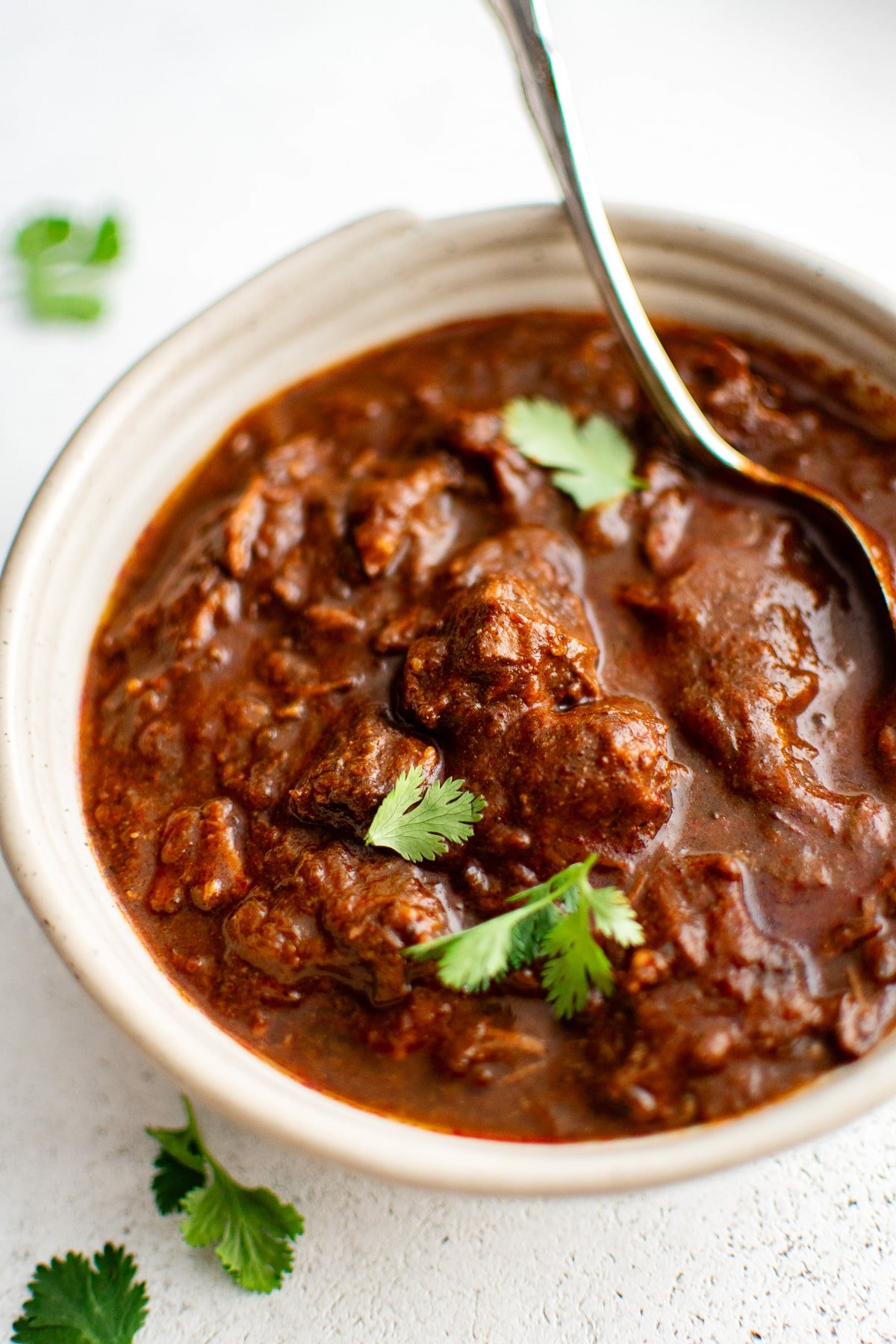
Mastering Texas Red Chili: The Quintessential Lone Star Classic
When you hear "chili," your mind might conjure images of ground beef, kidney beans, and diced tomatoes. But in the vast culinary landscape of Texas, chili takes on a profoundly different, fiercely traditional form: the legendary Texas Red Chili. This isn't just any stew; it's a bold, smoky, and deeply flavorful culinary institution, a true testament to the power of simplicity and patience. For those seeking an authentic
Authentic Texas Chili: The No-Bean, No-Tomato Classic experience, prepare to embrace a recipe that shuns common fillers and elevates beef and dried chiles to star status.
Known affectionately as "Bowl o' Red," Texas chili is an ode to its namesake state, embodying its robust spirit and straightforward approach to flavor. It's a dish that has fueled generations, from backyard gatherings to intense chili cook-offs, each pot telling a story of passion and tradition. Forget everything you thought you knew about chili, because mastering this Texas chili recipe means diving into a world where tender chunks of slow-cooked beef and a rich, complex sauce made from whole dried peppers reign supreme.
The Cardinal Rules of Texas Red: No Beans, No Tomatoes
Perhaps the most defining, and often debated, characteristic of genuine Texas Red Chili is its staunch refusal to include beans or tomatoes. This isn't just a preference; it's a historical mandate that traces its roots back to the 1800s in San Antonio. Here, the famed "Chili Queens" captivated palates with bowls of spicy chili con carne. Their mission was clear: to serve a dish where beef, dried peppers, cumin, and oregano were the undeniable stars. Beans, or *frijoles*, were available, but always as a side dish, never as an ingredient within the chili itself. Tomatoes, too, were excluded, allowing the pure, unadulterated flavor of the chiles to form the rich, flavorful base.
While culinary rules are often made to be bent, and some modern iterations might include these ingredients, the purist's Texas chili recipe firmly adheres to these core guidelines:
*
No Beans: This is a dealbreaker. Texas Red is about the beef and the chili peppers, period. Beans are considered a filler that detracts from the chili's authentic character.
*
No Tomatoes: Traditionalists avoid tomato paste, sauce, or canned tomatoes. The incredible depth and richness come solely from the chili pepper puree.
*
Big Chunks of Beef: While ground beef might appear in some contemporary versions, the gold standard is substantial chunks of chuck roast. These pieces, after hours of simmering, become incredibly tender, falling apart with a fork, and providing a hearty chew that's central to the experience.
*
Dried Chili Peppers, Not Just Powder: This is where the magic truly happens. A defining feature is the use of whole dried chili peppers (like ancho, guajillo, pasilla, and chipotle) that are carefully rehydrated, blended, and transformed into a smoky, vibrant chili paste. This paste is the true soul of the sauce.
*
Long, Slow Cooking: Patience is paramount. Texas chili is designed to simmer for hours, allowing the beef to break down, the flavors to meld, and the sauce to thicken into a luxurious, velvety consistency. This slow process is what transforms individual ingredients into a harmonious, unforgettable dish.
Building the Chili's Soul: Mastering Dried Chiles
The true backbone of any authentic texas chili recipe lies in its carefully selected dried chili peppers. This isn't a dish that relies on a single chili powder from a jar; it's an intricate symphony of flavors derived from various whole dried chiles, each bringing its unique character to the pot. Understanding these peppers is key to unlocking the bold, smoky depth that defines Texas Red.
*
Ancho Chiles: These are dried poblano peppers, mild in heat with a distinctive sweet, fruity, and raisin-like richness. They contribute a dark, complex foundation to the sauce.
*
Guajillo Chiles: Offering a moderate heat, guajillos provide bright, tangy, and fruity notes, often described as having hints of green tea. They balance the earthiness of the other chiles beautifully.
*
Pasilla Chiles: Long and dark, pasillas (often called "chile negro" when dried) bring a darker, almost chocolatey, and earthy depth, with a mild to medium heat.
*
Chipotle Chiles: These are smoked, dried jalapeños. They contribute a distinctive smoky flavor and a noticeable kick of heat, adding another layer of complexity.
To prepare these chiles for your sauce, they are typically toasted briefly in a dry pan to awaken their oils and enhance their flavor, then rehydrated in hot water until pliable. After stemming and deseeding, they are blended with a bit of their soaking liquid into a smooth, thick paste. This paste is the cornerstone of your chili's rich, flavorful base.
Crafting Your Masterpiece: The Art of Slow Cooking
A truly great, traditional Texas chili recipe isn't about shortcuts; it's about quiet restraint, patience, and honoring the star of the show: the beef. Every step, from building the chili sauce to browning the meat, matters. These details turn a good pot of chili into a perfect one. For a deeper dive into the cooking process, consider exploring this
Texas Chili Recipe: Slow-Cooked Beef & Smoky Dried Chiles.
1.
Selecting the Beef: Choose a good quality chuck roast. Look for marbling, which will render down during cooking, adding immense flavor and keeping the meat moist. Cut it into 1 to 1.5-inch cubes.
2.
Browning the Meat: This critical step develops deep, savory notes through the Maillard reaction. Brown the beef in batches in a heavy-bottomed pot or Dutch oven until nicely seared on all sides. Don't overcrowd the pot, or the meat will steam instead of brown.
3.
Building the Aromatics: Sauté onions, garlic, and perhaps a touch of jalapeño (if desired for extra heat, though not strictly traditional) to build a fragrant base.
4.
Introducing the Chili Paste: Stir in your homemade chili paste. Cook it for a few minutes, allowing the flavors to bloom and deepen, often referred to as "frying" the paste.
5.
The Liquid and Simmer: Add beef broth (or even a dark beer for extra depth, if you like) to the pot, scraping up any browned bits from the bottom. Return the beef to the pot, bring to a simmer, then reduce heat to low, cover, and let it cook. This is where patience pays off.
6.
Thickening (Optional): Some authentic recipes might use a small amount of masa harina (corn flour) stirred in towards the end to give the chili a slightly thicker, velvety texture without relying on fillers. This is a subtle touch, not a dominant thickener.
7.
Flavor Development: Allow the chili to simmer for at least 3-4 hours, or even longer. The goal is for the beef to be fall-apart tender and the flavors to fully meld into a rich, cohesive sauce. Taste and adjust seasonings (salt, cumin, oregano) as it cooks.
Serving Your Bowl o' Red: Tips & Enhancements
One of the greatest joys of a well-made Texas Red Chili is that it often tastes even better the next day, allowing the flavors to deepen and harmonize further. It’s perfect for meal prepping or entertaining a crowd.
When it comes to serving, keep it simple to honor the chili itself. Traditional garnishes are minimal: perhaps a sprinkle of fresh cilantro, a dollop of sour cream or crema, shredded cheddar cheese, or a few slices of fresh jalapeño for a kick. Offer cornbread or saltine crackers on the side – these are the classic companions, perfect for soaking up every last drop of that rich, savory sauce.
For a true Texan experience, pair your chili with a cold beer or a robust red wine. This dish is hearty and comforting, making it ideal for cooler weather, game nights, or any occasion that calls for deeply satisfying food.
The Unforgettable Taste of Texas
Mastering the Texas chili recipe is more than just following steps; it's an embrace of tradition, a lesson in patience, and a celebration of robust, authentic flavors. By focusing on quality beef and the complex notes of dried chili peppers, you create a dish that stands proudly as the quintessential "Bowl o' Red." This no-bean, no-tomato classic isn't just a meal; it's a culinary journey to the heart of the Lone Star State, promising a bold, smoky, and utterly unforgettable experience that will leave a lasting impression on anyone lucky enough to savor its depth. So roll up your sleeves, gather your chiles, and prepare to embark on an epicurean adventure that defines Texas comfort food.