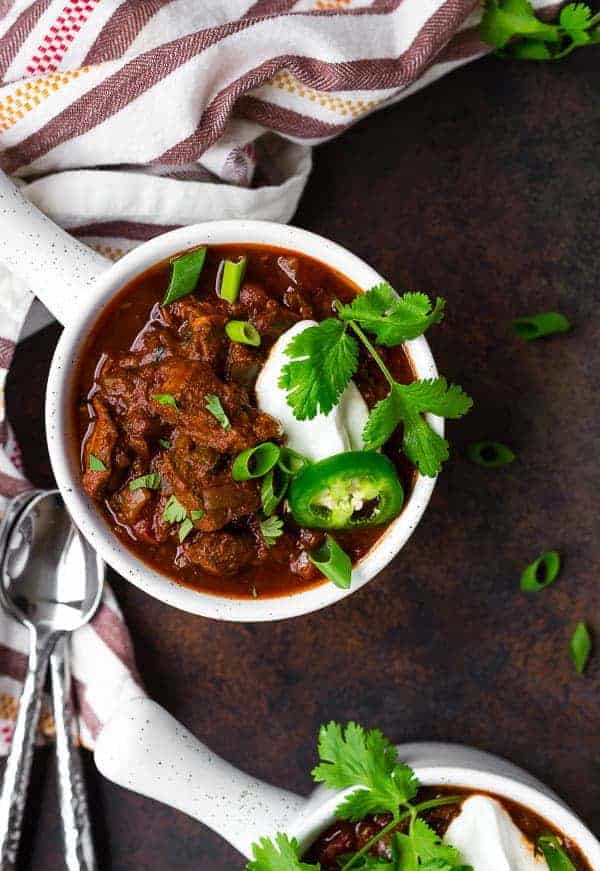
Texas Chili Recipe: Slow-Cooked Beef & Smoky Dried Chiles
Few dishes evoke the spirit of the Lone Star State quite like an authentic Texas Chili Recipe. This isn't just any chili; it's a culinary legend, famously known as Texas Red Chili or simply "Bowl o' Red." Far from the common bean-filled stews, a true Texas chili is a profound celebration of slow-cooked beef, bathed in a rich, complex sauce crafted from a symphony of dried chiles. It's bold, smoky, and deeply flavorful – the quintessential comfort food that captures the rugged heart of Texas. For generations, this iconic dish has graced tables across Texas, from backyard gatherings and Friday night dinners to legendary chili cook-offs. While every Texan might have their own nuanced take on the perfect bowl, the foundational principles remain steadfast: an unwavering focus on premium beef and an artful command of dried peppers. This guide will delve into the essence of what makes a Texas chili recipe truly unforgettable, empowering you to recreate this culinary masterpiece in your own kitchen.The Unmistakable Identity of a True Texas Chili
What sets a Texas chili recipe apart from its countless counterparts? It's a commitment to a specific philosophy of flavor and tradition. Understanding these core tenets is crucial to mastering this beloved dish.- No Beans, Period: This is arguably the most defining characteristic. In Texas, chili is about the meat and the peppers, not fillers. This tradition harks back to the 1800s in San Antonio, where the legendary "Chili Queens" served bowls of spicy chili con carne. Beans, or frijoles, were available as a side dish, meant to complement, not dilute, the rich chili itself. Embracing this rule isn't about culinary snobbery; it's about honoring a centuries-old tradition where every spoonful is packed with pure, unadulterated chili goodness.
- Tomatoes Take a Backseat (or No Seat at All): Another crucial distinction is the absence of tomatoes. Traditional Texas Red avoids tomato paste, sauce, or canned tomatoes. The incredible richness and vibrant color of the sauce come exclusively from the pureed dried chiles, allowing their unique profiles to shine without acidic interference.
- Beef is King: Big Chunks, Not Ground: While modern variations sometimes use ground beef, the gold standard for an authentic Texas Chili Recipe is large chunks of beef chuck roast. Cut into substantial pieces, this cut transforms during hours of slow simmering, becoming fall-apart tender and infusing the sauce with unparalleled depth. The beef isn't just an ingredient; it's the star of the show.
- The Soul of Dried Chiles, Not Just Powder: A defining feature is the use of whole dried chili peppers. Instead of relying solely on generic chili powder, a Texas chili calls for a careful selection of dried chiles like ancho, guajillo, pasilla, and chipotle. These are toasted, rehydrated, and then blended into a smoky, robust chili paste that forms the very foundation of the sauce. This layered approach to chili flavor is what elevates the dish from simple to sublime.
- Patience on the Stove: The Power of Slow Cooking: Texas chili is not a quick meal. It's meant to simmer for hours, allowing the tough beef to break down into tender morsels and the myriad flavors from the chiles and spices to meld into a velvety, complex sauce. This long, slow cooking process is non-negotiable for achieving the signature depth and richness.
Crafting Your Ultimate Texas Chili Recipe from Scratch
Making an authentic Texas chili is a culinary journey that rewards patience and attention to detail. Here’s a breakdown of the key steps involved in bringing this masterpiece to life.1. Sourcing the Stars:
Begin with quality ingredients. For the beef, a good chuck roast is essential. Look for one with decent marbling. For the chiles, seek out plump, pliable dried ancho, guajillo, pasilla, and chipotle peppers. Freshness matters here; older, brittle chiles will have lost much of their flavor and aroma.
2. Preparing the Dried Chiles: The Heart of the Sauce:
- Toast for Aroma: Gently toast the dried chiles in a dry skillet over medium heat for a few minutes until fragrant. This step awakens their essential oils and deepens their flavor profile. Be careful not to burn them, as this will result in bitterness.
- Rehydrate and Blend: Once toasted, remove the stems and seeds (or keep some seeds for more heat). Soak the chiles in hot water for about 20-30 minutes until soft and pliable. Then, blend them with some of their soaking liquid (and perhaps a bit of fresh water or beef broth) until you achieve a smooth, rich paste. This paste is the cornerstone of your Texas Chili Recipe.
3. Browning the Beef: Building the Flavor Foundation:
Cut your chuck roast into 1 to 1.5-inch chunks. Season generously with salt and pepper. In a heavy-bottomed pot or Dutch oven, brown the beef in batches over medium-high heat until well-seared on all sides. This crucial step, known as the Maillard reaction, creates deep, savory flavors that will permeate the entire chili. Remove the beef and set aside.
4. Building the Flavor Base:
In the same pot, sauté aromatics like onion and garlic until softened (while some traditionalists keep aromatics minimal, a touch can add complexity). Deglaze the pot with a splash of beef broth or water, scraping up any browned bits from the bottom – these are flavor gold! Add your homemade chili paste along with spices like cumin, Mexican oregano, and perhaps a touch of cayenne or a secret ingredient like a pinch of cocoa powder or instant coffee for added depth and richness.
5. The Long Simmer: Marrying Flavors:
Return the browned beef to the pot. Add enough beef broth to just cover the meat. Bring to a gentle simmer, then reduce the heat to low, cover, and let it cook for at least 3-4 hours, or until the beef is incredibly tender and easily falls apart with a fork. Stir occasionally to prevent sticking. This prolonged simmering allows the beef to tenderize and the flavors to meld into a harmonious, robust sauce.
6. Thickening with Masa Harina:
Toward the end of cooking, if desired, you can thicken the chili slightly with masa harina (finely ground corn flour used for tortillas). Whisk a few tablespoons of masa harina with a little cold water to create a slurry, then stir it into the simmering chili. Cook for another 15-20 minutes until the sauce reaches your desired consistency. This traditional thickening method adds a subtle, authentic corn flavor without interfering with the chile and beef dominance.
Mastering the Art: Tips for Your Best Texas Chili Yet
Achieving chili perfection involves a few extra considerations that can elevate your Texas Chili Recipe from good to legendary.- The Magic of Resting: This is perhaps the most important tip. Like many stews, Texas chili tastes *significantly* better the next day. The flavors continue to meld and deepen overnight, creating a richer, more cohesive experience. Plan to make your chili a day in advance if possible.
- Don't Rush the Toast: Toasting your chiles is a game-changer. It's a simple step, but it unlocks incredible depth and complexity that cannot be achieved with un-toasted chiles or mere chili powder.
- Adjusting the Heat: The heat level is entirely up to you. Removing most of the seeds from the dried chiles will result in a milder chili. For more heat, leave some seeds in, or add a pinch of dried arbol chiles or a dash of cayenne pepper. Chipotles, in particular, offer a smoky heat that is very characteristic of this style.
- Garnish with Simplicity: While some chilis are piled high with toppings, a traditional Texas Red is often served simply, allowing the complex flavors of the chili to shine. Diced raw white onion, a sprinkle of grated sharp cheddar, or a dollop of sour cream are common, but many Texans enjoy it unadorned. Serve with a side of warm cornbread or flour tortillas for dipping.
- Freezing for Future Feasts: Texas chili freezes beautifully. Make a large batch and store individual portions for quick, comforting meals on busy days. It reheats wonderfully without losing any of its rich flavor.
